Reviewed by Colin Jacobson (May 12, 2026)
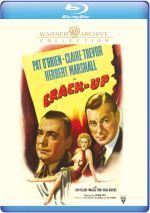
Film noir prospered as a genre in the 1940s. For another example of that type of thriller, we go to 1946’s Crack-Up.
An art curator at a small museum, George Steele (Pat O’Brien) believes he experienced a train wreck. However, no evidence of such a calamity exists.
Steele recounts his memories to authorities. Suspicions arise that Steele may suffer from mental illness, though possibilities that he becomes the victim of an insidious plot also manifest.
Thanks to releases like this from Warner Archive and others, I’ve enjoyed a decent little exploration of noir efforts over the years. Plenty of these work well.
With an unusual plot, I hoped Crack-Up would join the roster of winning noir flicks. However, it sputters too much to really connect.
Much of the problem stems from Crack-Up’s convoluted story. At its heart, it wants to provide a detective tale in which the protagonist attempts to prove he’s not bonkers.
Some of those elements work nicely, especially when we meet colorful characters related to Steele’s investigation. At times, the flick pops to life and shows spark.
Unfortunately, the basic narrative gets so gummed up by competing threads that it turns mushy. Crack-Up deviates from its core plot too often and these tangents can feel a bit desperate, like the filmmakers threw them in because they didn’t know where else to take the situations.
O’Brien seems miscast as Steele because he comes across more like a noir tough guy than an art museum curator. This disconnect means it becomes more difficult to engage in his actions.
Crack-Up hints at issues related to World War II veterans, a theme that shows promise. Unfortunately, the film fails to delve into these much.
I wouldn’t call Crack-Up a waste of time, as it comes with enough narrative thrust to keep us with it. The movie simply never becomes better than just okay.