Reviewed by Colin Jacobson (February 15, 2026)
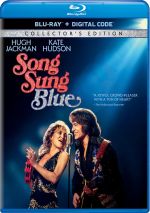
For decades, Hollywood has produced many biopics focused on the lives of famous musicians. With 2025's Song Sung Blue, we get something different: a biopic of a "tribute act".
Mike Sardina (Hugh Jackman) performs as “vocalist of all trades” but tires of his inability to get traction when he sings as himself and decides to quit the business. However, when he meets hairdresser/Patsy Cline imitator Claire Stengl (Kate Hudson), he reconsiders.
Together they form "Lightning and Thunder", a Neil Diamond tribute act. They become more successful than anticipated but also deal with some problems along the way.
Although I implied at the start that Song exists as the first-ever Hollywood flick to focus on an impersonator, that doesn't seem true. At the very least, 2001's Rock Star - a tale of a tribute band singer who eventually got hired by the actual artists – takes on the same kind of territory.
But that twist in which the Rock Star main character becomes lead vocalist for the band he covers separates it from Song. For obvious reasons, Neil Diamond never hired Mike Sardina to sub for him, so whereas the fictional vocalist in Rock Star did get that "boost" from impersonator to "real band member", Mike stayed firmly in "tribute" territory.
Which makes Song an odd beast at its heart. When I saw trailers for it, I thought these implied it'd offer an actual Neil Diamond biopic.
Looking back, the promos came with indications Song would be about impersonators, but these eluded me at the time. I suspect I just found the notion of a major motion picture about a cover band to seem so implausible that my tiny brain couldn't handle it.
While the existence of "Lightning and Thunder" acts as an intriguing twist to hook the viewer, to some degree, it becomes not especially relevant. Song doesn't exist as a movie about a tribute act as much as it tells a tale of a relationship that just happens to form thanks to that musical route.
To a degree, Song feels like two separate movies. The first half delivers a romance mixed with “plucky underdog” themes whereas the second hour or so focuses much more on tragedy and melodrama.
No spoilers, though one look at Wikipedia shows how the journey ends. Along with a sad finale, however, the movie comes with all sorts of other woe that befalls Mike, Claire and their blended family.
Indeed, Song ladles on the misery so heavily that it becomes tough to swallow. Surprisingly, the movie largely sticks with actual events, so while it embellishes/invents some, the tale remains true to history most of the time.
The most glaring alteration relates to the movie’s timeline. Whereas the actual events it depicts span almost two decades, Song condenses these into about three years.
Other than a desire to not need to recast the actors who play Mike and Claire’s kids, I don’t really get this choice. Oh, I guess it also makes it easier to avoid the need to age up or down Hudson, Jackman and others, but it ends up as a mistake in terms of narrative.
That happens mainly because Claire and Mike endure a nearly Biblical onslaught of trauma and when the tale compacts this into a really brief period of time, it seems more over the top. The real-life events would boast plenty of impact if spread across a longer span and the choice to shove so much drama into so little time seems likely to prompt disbelief and eye rolls.
Unsurprisingly, this means the film’s first half works much better than the rest. Of course, it gets the crowd-pleasing side of the sale, so that doesn’t come as a surprise.
Still, I think the more tragedy-focused second hour wouldn’t stand out so much if it didn’t seem so relentlessly grim. Admittedly, the movie still brings moments of happiness and triumph in these sections, but the melodrama dominates and the manner in which Song makes it look like the Sardinas experienced unrelenting woes means the tale feels like a soap opera at times.
This “pre-tragedy” half really does work well. The scenes in which Mike and Claire connect musically feel almost thrilling, and the two actors mesh well.
Jackman and Hudson boast tremendous chemistry and they make these scenes crackle with energy. We buy them as middle-aged dreamers who get to pursue their hopes, and they seem so likeable that we invest in their journey.
This also means we find ourselves more depressed when tragedy strikes, though not as much as I’d expect due to the aforementioned over-the-top pursuit of those themes. Song seems so emotionally manipulative in its second half that the drama doesn’t hit home as much as a more subtle version might’ve.
Still, despite some dissatisfaction with all that melodrama, I find more to like about Song than to dislike. Thanks to a compelling basic story and excellent performances from its leads, it does enough right to make it engaging.